Exploring Cattail: A Color Font for Modern Design
More Than a Typeface: Understanding the Cattail Color Font
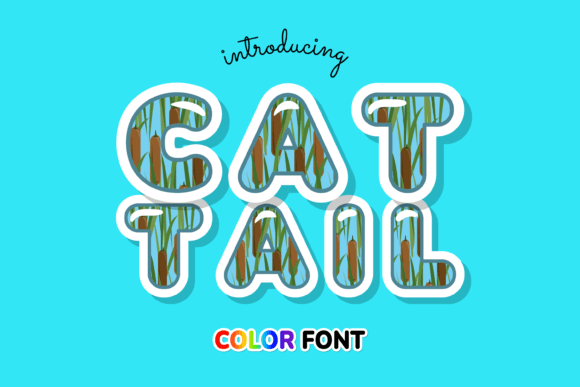
Cattail isn't just another entry in your font library; it's a piece of modern typography that feels alive. As an OpenType-SVG color font, it moves beyond the standard single-hue glyphs we're used to. Each character is a tiny, pre-rendered image, complete with color, texture, and depth. Think of it less like a traditional typeface and more like a custom illustration for every letter. This technology is what allows Cattail to have such a rich, hand-painted feel, with visible brush strokes and subtle color gradients that you simply can't achieve with a standard OTF or TTF file.
The visual personality of Cattail is confident and organic. It carries the energy of a handwritten font but with a refined, artistic control that sets it apart. It’s a display font at its core, meaning it’s built to command attention in headlines, logos, and short, impactful statements. The strokes are bold and expressive, giving it a presence that can anchor a design without needing much support. This makes it a fantastic creative font for projects where you want to convey authenticity, artistry, and a human touch right from the start.
Practical Applications: Where Cattail Truly Shines
Finding the right home for a font like Cattail is about matching its energy with your project's goals. It’s not a workhorse for body text, but as a specialist tool within your design assets, it’s invaluable. Its strength lies in creating an immediate emotional connection, making it perfect for applications where first impressions are everything.
- Branding and Identity: For brands that want to project a creative, approachable, and artisanal image, Cattail can be a cornerstone of their brand identity. Imagine it on a logo for a boutique coffee roaster, a handcrafted soap company, or a local florist. It instantly communicates quality and a personal touch that a standard sans serif font might struggle to convey.
- Packaging and Editorial Design: On product packaging, Cattail can make a shelf presence pop. Use it for product names on labels for jams, sauces, or craft beverages. In editorial design, it’s an excellent choice for magazine headlines, chapter titles in a cookbook, or pull quotes in a lifestyle blog, adding a layer of visual interest and personality.
- Digital and Social Media: In the fast-scrolling world of social media, stopping power is crucial. Cattail is perfect for creating eye-catching social media graphics, Instagram story headers, or YouTube thumbnails. Its inherent color and texture mean you don’t need to add much else to create a visually rich post that stands out in a feed.
- Web and Digital Experiences: While you need to be mindful of load times and readability, using Cattail for key elements in web design can elevate a site’s aesthetic. It works beautifully for hero section headlines, call-to-action buttons, or event titles on a landing page, adding a memorable flourish that guides the user's eye.
Beyond commercial use, Cattail is a dream for personal projects. Think custom wedding invitations, personalized greeting cards, or unique wall art. For crafters, especially those working with design software, it offers a way to add a truly bespoke element to any creation. It’s a premium font that brings professional-quality artistry to your fingertips.
Working With Cattail: A Designer's Guide
Integrating a color font like Cattail into your workflow requires a slightly different approach than using standard fonts. Getting the best results means understanding its strengths and limitations. The key is to use it with intention, allowing its unique character to enhance, rather than complicate, your design.
Compatibility and Technical Considerations
First and foremost, you must use software that supports the OpenType-SVG format. Cattail is fully compatible with modern versions of Adobe PhotoShop, Adobe Illustrator, Silhouette Studio (Designer Edition and above), and Inkscape. It is crucial to note, as mentioned in the product details, that the OTF/TTF files for this type of color font are not compatible with Cricut machines. Always check software compatibility before purchasing to ensure it fits your specific toolkit. For a deeper dive, consulting an Ultimate Font Guide can be incredibly helpful.
Creating Effective Font Pairings
Because Cattail is so expressive, it demands a more subdued partner. A successful font pairing creates balance and establishes a clear visual hierarchy. Avoid pairing it with other decorative or handwritten fonts, as this will create visual chaos. Instead, lean on clean, simple typefaces.
- With a Sans Serif: A clean sans serif font like Montserrat, Lato, or Open Sans provides a perfect modern counterpoint. Use the sans serif for body text or subheadings to ensure readability, letting Cattail own the main headline. This combination feels fresh, professional, and grounded.
- With a Serif: For a more classic or elegant feel, pair Cattail with a simple, readable serif font like Garamond or Merriweather. This works wonderfully for editorial layouts or branding for luxury artisan products. The contrast between the organic, painted headline and the structured body text creates a sophisticated rhythm.
Evaluating Fit and Ensuring Professionalism
Before committing to Cattail, ask yourself if its personality aligns with your brand's voice. Is your brand playful, artistic, and authentic? Or is it more corporate, minimalist, and serious? Cattail excels in the former. Using it in the wrong context can feel jarring and undermine your message. Always test the font in your actual design mockups. How does it look at different sizes? Does its color work with your palette? Answering these questions ensures the font enhances your brand perception and contributes to a cohesive, professional final product. Its impact on audience engagement